Understanding Abbey Architecture: A Beginner's Guide
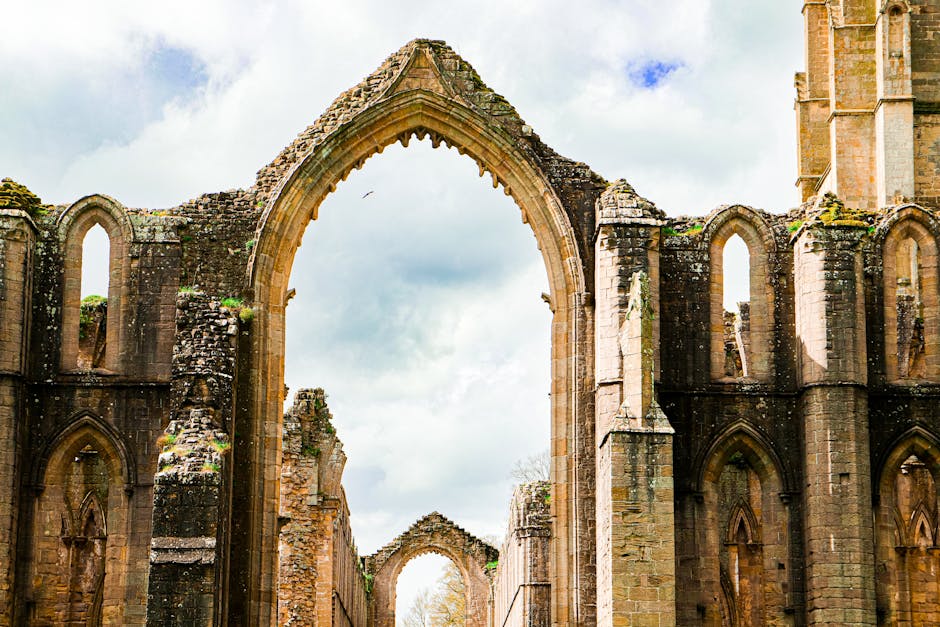
British abbeys are architectural masterpieces, but their design can seem bewildering to the untrained eye. Understanding abbey architecture helps you appreciate these buildings and recognises why they were constructed this way. Let's explore the key features that make abbeys distinctive.
The Church or Nave
The abbey church is the heart of the complex. It's typically a long, impressive space with a high ceiling and soaring arches. The nave is where the congregation gathered, whilst the choir sang from the chancel—a raised section near the altar. Abbey churches were deliberately grand to inspire awe and demonstrate the Church's power and wealth.
Arches and Vaults
You'll notice distinctive pointed arches in Gothic abbeys (built from the 12th century onwards). These aren't just decorative—they're structural. Pointed arches direct weight downwards more efficiently than rounded Romanesque arches, allowing builders to construct taller, more ambitious buildings. Vaulted ceilings, created by interlocking stone arches, created impressive interior spaces whilst distributing weight across the structure.
The Cloister
Most abbeys feature a cloister—a covered walkway surrounding a central courtyard. This was the monks' domain, providing a quiet space for contemplation, reading and work. The cloister's sheltered arcades allowed movement between different buildings without exposure to weather.
Supporting Structures
Flying buttresses—those distinctive external stone supports—are crucial to Gothic abbey design. They transfer the weight of tall walls and roofs to the ground, allowing windows to be larger without compromising structural integrity. This is why abbey windows are so impressive and filled with light.
Monastic Buildings
Beyond the church, abbeys contained numerous functional buildings:
- The chapter house, where monks met for administration and discipline
- The refectory, a dining hall with high ceilings
- Dormitories for sleeping quarters
- The kitchens and stores
- Workshops for craftspeople and scribes
Materials and Craftsmanship
Most abbeys were built from local stone, which is why their appearance varies across Britain. The quality of stonework reflects the abbey's wealth and importance. Decorative elements—carved capitals, stone tracery in windows, and ornamental mouldings—demonstrate remarkable medieval craftsmanship.
Regional Variations
Northern abbeys often show Cistercian simplicity, with fewer decorative elements. Southern abbeys, particularly those near wealthy towns, feature more elaborate decoration. Understanding these variations tells you about the abbey's history and the monastic order that built it.
Next time you visit an abbey, take time to observe these architectural features. They're not random decorations—each element serves a purpose, reflecting both practical needs and spiritual aspirations of medieval monks.