Essential Maintenance Tips for Historic Abbeys
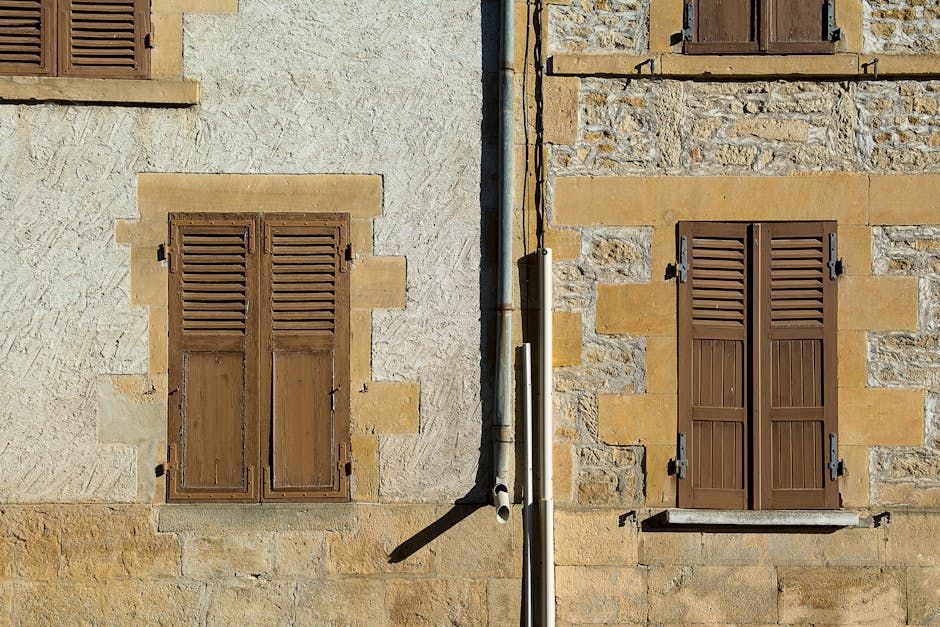
Historic abbeys are irreplaceable treasures, but maintaining them is a serious responsibility. Unlike modern buildings, abbeys require specialist care and understanding of traditional construction methods. Whether you manage an abbey or simply care about their preservation, understanding maintenance needs is crucial.
Stone and Masonry Care
The biggest maintenance challenge for abbeys is their stonework. Over centuries, weather, pollution and biological growth take their toll. Regular inspection is essential to catch problems early:
- Check for cracks, loose stones and mortar deterioration
- Remove moss and lichen growth promptly
- Monitor water penetration and dampness
- Avoid modern cement-based mortar; use lime mortar instead
- Never use high-pressure washing on ancient stone
Roof Maintenance
Abbey roofs are critical to protection. Lead, slate and tile roofs require regular inspection. Missing or damaged tiles allow water ingress, which causes internal damage and accelerates decay. Budget for professional roof surveys every five years and address issues immediately. Replacing original materials with authentic alternatives, rather than modern substitutes, preserves the building's integrity.
Damp and Water Management
Water is the enemy of historic buildings. Implement proper drainage around the abbey's exterior, clear gutters and downpipes regularly, and monitor interior dampness. Rising damp in stone walls requires specialist treatment; avoid injecting damp-proof courses into ancient masonry, as this can trap moisture and cause more damage.
Interior Preservation
Historic interiors—wooden beams, stone floors, decorative elements—need careful management. Avoid harsh cleaning chemicals that damage finishes. When repairs are needed, use traditional materials and methods. Regular but gentle cleaning prevents the need for aggressive restoration later.
Heating and Climate Control
Modern heating systems can damage historic buildings by causing uneven expansion and contraction. If installing heating, work with specialists experienced in heritage buildings. Proper ventilation is equally important to prevent condensation and mould.
Planning and Budgeting
Develop a long-term maintenance plan prioritising critical work. Budget for regular inspections and preventive maintenance rather than emergency repairs. Many abbeys qualify for heritage grants that can fund major conservation work.
Professional Help
Always engage conservation specialists for significant work. The wrong approach can cause irreversible damage. Organisations like the Victorian Society and local conservation trusts offer guidance and can recommend qualified professionals experienced in historic building preservation.